
Brain Injuries Caused by Carbon Monoxide Exposure
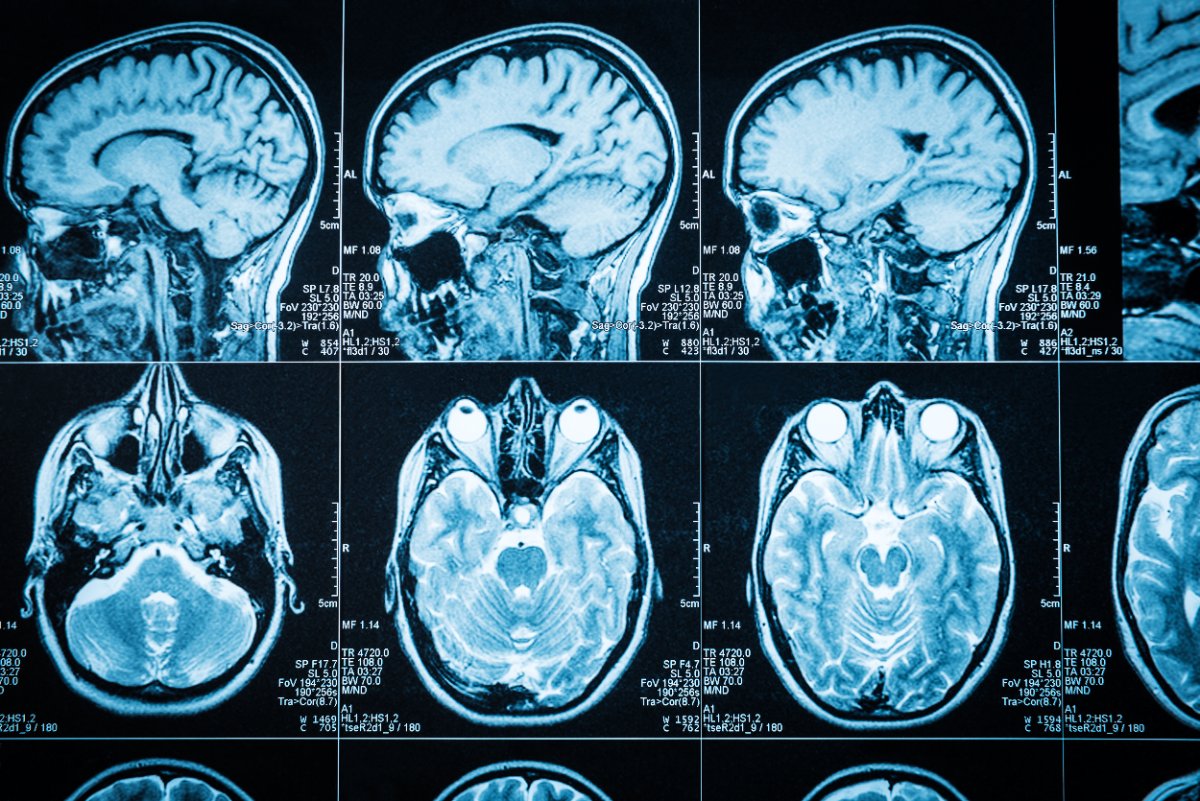 Did you know that some individuals may experience delayed neurological effects after acute carbon monoxide poisoning? Or that some people who are exposed develop symptoms days to weeks after the initial exposure? Carbon monoxide (CO) is odorless, tasteless, and colorless. Many people don’t know they are in danger until symptoms are present.
CO exposure causes a host of medical issues, including brain injuries. We’ve outlined the signs and symptoms below. Also, there are potential legal options for cases resulting from negligence or code violations. Continue reading to learn more, or give us a call today to schedule a free consultation.
Where is carbon monoxide poisoning most common in Pittsburgh?
Carbon monoxide exposure often occurs in older buildings, multi-family dwellings, and industrial environments. Pennsylvania’s Carbon Monoxide Alarm Standards Act (Act 121 of 2013) sets specific detector requirements for certain residential buildings. Ventilation regulation is governed by other codes.
Buildings with the following are at risk of CO exposure without proper ventilation and maintenance:
- Gas appliances
- Fireplaces
- Vents
- Chimneys
- Coal-burning appliances
CO exposure should be taken seriously by all parties involved. When it isn’t, injured individuals may have a legal case against those who were negligent or violated codes. The team at Carmody and Ging can help clients determine negligence in these instances.
Who may be liable for these injuries?
Act 121 of 2013 requires owners and landlords to install approved CO detectors in specified buildings. Other laws or regulations cover limited maintenance responsibilities.
Once a tenant occupies the unit, ongoing maintenance and battery replacement are often addressed elsewhere. In some instances of neglect or code violations, there may be an opportunity for a lawsuit. Some of the most common responsible parties include the following:
Property owners or landlords
The above act outlines how property owners and landlords are responsible for installing CO monitors in required properties. Act 121 primarily governs installation requirements. Ongoing maintenance or repair obligations may arise from:
- Lease agreements
- Local codes
- General negligence principles
Hotels
Hotels are another place where there could be possible CO exposure without proper attention. These multi-story buildings often have appliances, burners, pool heaters, and generators on site. Without the correct maintenance and ventilation, guests could be at risk for carbon monoxide exposure.
Statewide hotel CO detector mandates are not in Act 121; however, local codes or the PA Uniform Construction Code may require them.
Product manufacturers
Design flaws, equipment or product defects, or a lack of warning can create opportunities for carbon monoxide poisoning in some products. Manufacturers may face liability if a product defect or failure to warn contributes to CO exposure. This includes recalled products (subject to general products liability standards under Pennsylvania law). There have been instances where faulty CO detectors didn’t warn residents of exposure.
Workplaces
Workplaces have a duty to ensure a safe workplace for employees. At times, a lack of maintenance or safety violations can lead to carbon monoxide exposure. In workplaces, CO safety obligations are generally governed by OSHA federal standards. These require employers to maintain safe environments. This includes monitoring and controls where CO exposure risks exist.
How CO exposure leads to brain injuries
Prolonged carbon monoxide exposure causes a buildup in the blood. The odorless, colorless, and tasteless gas binds to red blood cells, wreaking havoc on the body. When people are exposed to carbon monoxide for long periods, it can lead to lasting damage to the brain from a lack of blood flow and cellular damage.
Warning signs to watch for
Carbon monoxide poisoning can cause short- and long-term damage in individuals. Since this is an odorless gas, many people are unaware of how long they have been exposed. Some of the medical issues stemming from direct exposure or as secondary conditions include:
- Confusion and brain fog
- Headaches
- Dizziness
- Loss of consciousness
- Memory or concentration issues
- Executive functioning issues
- Mood or behavioral changes
- Neurological disorders
- Cardiovascular disorders
- Renal damage
- Fatigue
- Physical limitations
This is a compiled list. Each person reacts differently to CO exposure, so it’s important to seek medical care. Do you suspect long-term effects from CO exposure due to negligence or code violations? The team at Carmody and Ging suggests you schedule a free consultation to discuss legal options.
Legal options for injuries caused by negligence or code violations
Some people can file a personal injury lawsuit for carbon monoxide poisoning. These cases are complex, and proof must be provided to show that the exposure led to brain damage. In fatal cases, eligible families may pursue wrongful death and survival claims under Pennsylvania law. Disability or death benefits may also be available through workers’ compensation or insurance, depending on the circumstances.
If you are unsure whether you have a case, we encourage you to consult with an experienced attorney. There, you can discuss your specific situation and gain insight into possible options.
What medical documentation is needed:
The more documented information related to carbon monoxide poisoning, the better. It’s essential to seek medical care if you suspect CO poisoning. For people who want to pursue a personal injury claim, documented symptoms and test results help to build a stronger case. These may include:
- Diagnostic tests
- Bloodwork
- Treatments provided
- Subsequent medical appointments for additional symptoms
Claimants filing lawsuits against property owners, manufacturers, or any other responsible party need to prove negligence. They also have to show the impact the exposure had on their lives. Possible settlements for these types of claims include lost wages, medical expenses, and/or pain and suffering. A knowledgeable personal injury attorney can help clients determine if negligence was present. They also support them in gathering the necessary information.
Is it time to hire a brain injury attorney?
If someone believes they were exposed to carbon monoxide because of negligence or code violations, they may have legal options. An experienced attorney, such as those at Carmody and Ging, can discuss the options for specific cases. Contact us today for a free consultation to review your situation further.
Discuss your options with Carmody and Ging today
The attorneys at Carmody and Ging are knowledgeable in brain injuries and help clients through the legal process. Our team can discuss your situation and determine possible options. Give us a call today or fill out our contact form to request a free consultation today.