
Accidents Involving Out-of-State Drivers: What PA Victims Need to Know
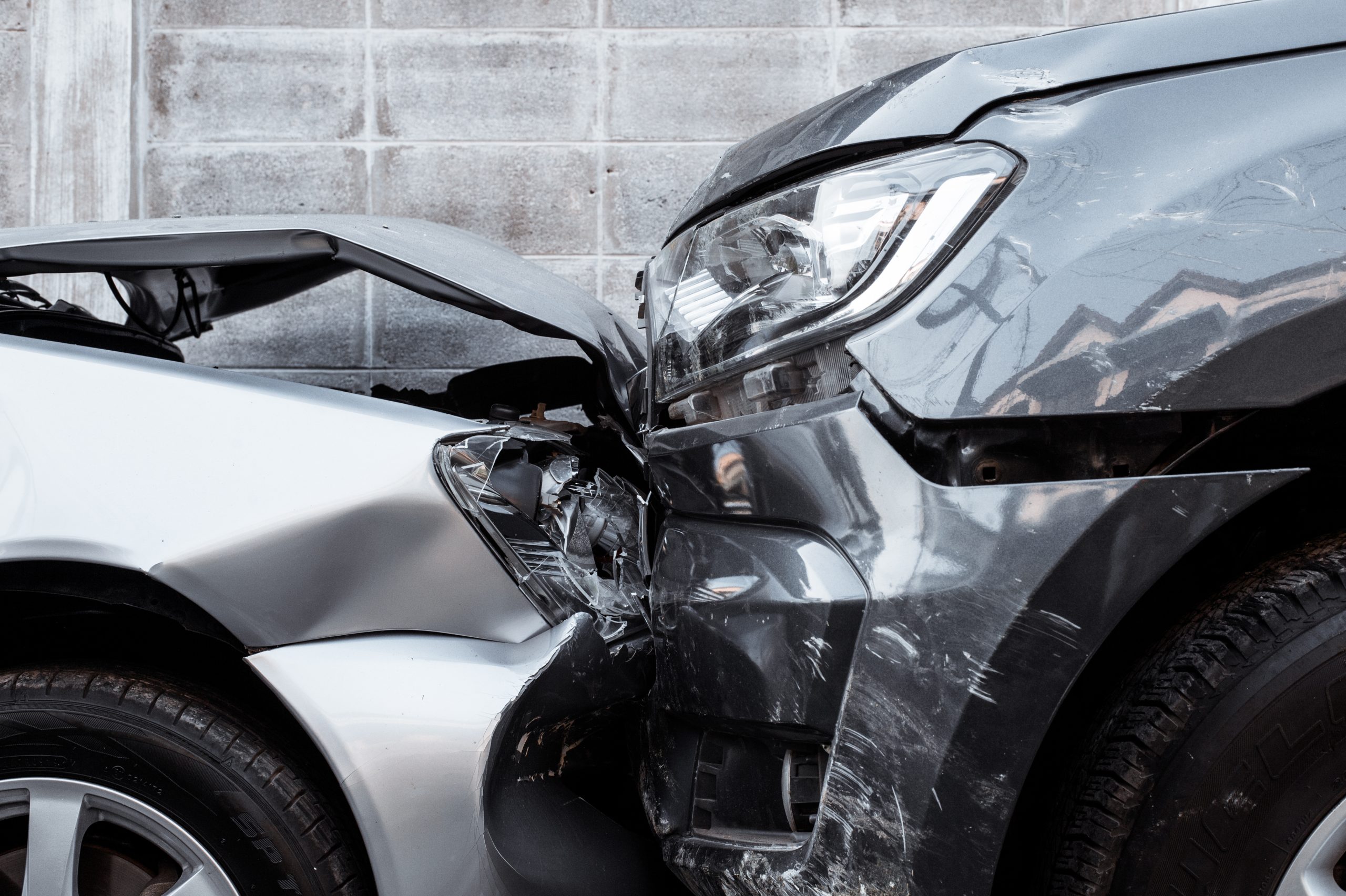 When a car accident happens in Pennsylvania, things can get stressful fast. If the other driver is from out of state, the process may feel even more overwhelming. Different laws, insurance policies, and communication challenges can make everything more complicated than accidents with someone from the same state. While every situation is slightly different, knowing your rights and basic next steps puts you in a better position to get fair treatment.
Pennsylvania law should apply
Pennsylvania tort law generally applies to crashes that occur in Pennsylvania, while insurance coverage disputes may follow the law of the state where the policy was issued.
Understanding Pennsylvania’s car accident and insurance laws
Understanding Pennsylvania insurance law and how car accidents work is important for all claims, even when the other party is not a PA resident.
Limited tort vs. full tort in Pennsylvania car insurance
Pennsylvania is a “choice no-fault” state, so drivers choose between limited and full tort insurance when buying or renewing coverage. This decision becomes significant if you are ever in a car accident.
Limited tort
Limited tort insurance is less expensive but restricts your rights to get money for pain and suffering after a crash. If you picked limited tort, you ordinarily can’t recover non‑economic damages unless you have a ‘serious injury.’ You can still recover financial losses (like medical bills or lost wages), but emotional damages are limited unless you fall under specific exceptions.
Full tort
With full tort, you pay a higher premium. But if someone hurts you in a car accident, you can sue for pain and suffering along with regular damages, even when injuries are less severe. This gives you broader access to the courts and more options down the road.
How Pennsylvania insurance laws affect out-of-state drivers
Driving on Pennsylvania roads means you subject yourself to PA rules, even if your insurance comes from another state. This has a direct impact on coverage after a crash with a visitor.
Out-of-state coverage clauses increase the visiting driver’s liability limits to PA’s minimum financial-responsibility limits (15/30/5). They do not provide Pennsylvania’s mandatory $5,000 first-party medical benefits. When an at-fault driver from another state gets into an accident in Pennsylvania, their insurance will automatically adjust to at least meet PA’s minimum requirements.
For reference, the minimum liability coverage requirements in Pennsylvania are:
- $15,000 for injury per person
- $30,000 total per accident if more than one person is hurt
- $5,000 in property damage expenses
Pennsylvania’s $5,000 medical benefits requirement applies only to PA-registered vehicles and is paid under your own policy, not by the out-of-state driver’s policy
Any final payout also depends on the out-of-state driver’s insurance coverage, as they might have higher coverage limits.
Filing a car accident lawsuit against a driver from another state
Pennsylvania courts typically have jurisdiction over out-of-state drivers who cause crashes inside the state. This does add some extra hurdles you don’t encounter with a local defendant. The biggest is serving legal papers on the other driver. You must file your lawsuit in any Pennsylvania county that is a proper venue under state rules.
If you win the lawsuit, collecting the award is the next step. With out-of-state drivers, this usually means coordinating with that state’s agencies or courts to turn your Pennsylvania success into a collection back in the person’s home state. This process can be time-intensive, but it is a path many accident victims pursue after getting hurt on Pennsylvania roads.
Steps to take after a crash with an out-of-state driver
Getting into an accident with a driver from another state can make an already stressful experience even more confusing. You not only face the aftermath of a car crash, but now you might worry about dealing with insurance, evidence, and differing state rules. Here are some of the most important steps you can take after this occurs:
Make your health and safety the priority
After any car accident, don’t delay getting medical care. Go to the hospital or a doctor within 24 hours, even if you feel fine at first. You may overlook injuries right away, and medical records from your visit help support any claims you may later file.
Document the scene as much as possible
Take as many pictures of the scene as possible, from all angles. This includes photos of the vehicles involved, their license plates, and anything in the area that you think may have contributed to the accident. Also, take a picture of the drivers’ insurance cards and licenses. Photographing your injuries is a good idea, too.
Be careful with insurance calls
The other driver’s insurance company might contact you. Do not agree to give any recorded statement. You should speak with your own lawyer before you do this, as anything you say could end up hurting your claim.
Contact your own insurance company
Let your insurer know about the accident, even if you think the other driver is at fault. Provide them with all the info and photos you documented. Don’t repair your car until after your insurer authorizes it and it’s inspected, or you could face trouble with your claim.
In Pennsylvania, your insurance pays your medical bills first, regardless of who was careless or whose vehicle had an out-of-state plate. This means even if the other driver caused the collision and their insurance is from another state, your policy usually covers your medical costs up front. If your losses go beyond your policy limits, or if you have full tort coverage, you may be able to collect more money from their insurance or through a lawsuit.
Contact a Pennsylvania car accident lawyer
When someone from another state is involved, you always want to talk to a lawyer instead of dealing with it alone. The right Pennsylvania car accident lawyer can handle issues with jurisdiction, give proper notice to everyone involved, and ensure evidence is collected from both states. Without help, there’s a risk that something gets missed.
Being in an accident with an out-of-state driver raises complicated issues you shouldn’t face alone. Seeking legal help early on is the best thing you can do to make sure you get everything you’re entitled to in the least stressful way possible.
Our firm only gets paid if we recover compensation for you in your case. Don’t hesitate to reach out to Carmody and Ging Injury & Accident Lawyers to schedule a free consultation with one of our car accident lawyers.